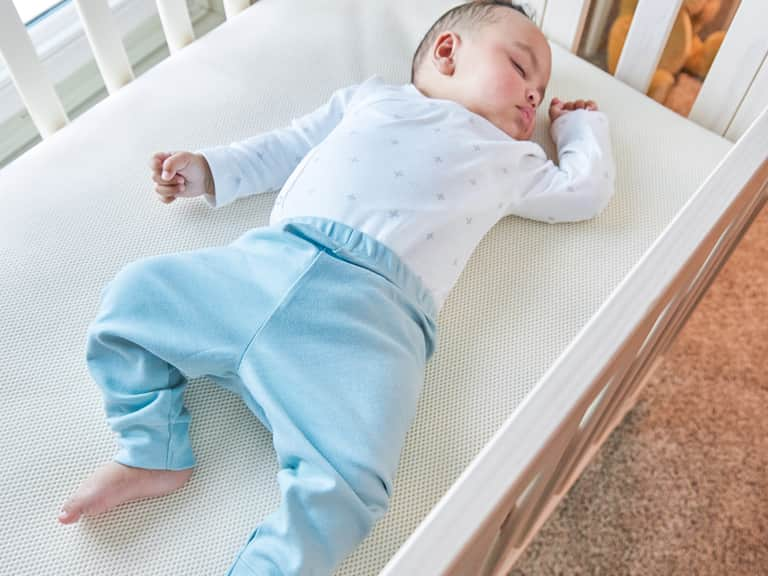
Crib mattresses are purpose-built foundations designed to support infants safely during sleep, with features focused on firmness, contour, and breathability. A well-chosen crib mattress helps maintain spinal alignment, reduces the risk of suffocation hazards, and promotes consistent airflow to regulate temperature. Materials likeče foam or organic fibers influence durability and hygiene for overnight use.
Key characteristics often include a rigid edge-to-edge construction to prevent gaps, non-toxic materials, and washable covers or removable moisture barriers. The best options provide a firm, flat surface that maintains uniform firmness across the entire area, essential for newborns and infants who require stable support as they transition from infancy to toddlerhood.
In the crib mattress category, one notable example is the Obasan Organic Crib Mattress, which emphasizes natural, certifications-friendly materials and a secure, supportive core. Its design aims to minimize exposure to potentially harmful chemicals while offering a breathable, comfortable sleeping surface for infants, aiding in sleep quality and safety.
Functionally, crib mattresses should resist compression over time to maintain firmness, withstand moisture, and clean easily through wipeable covers or encasements. Understanding mattress thickness, density, and fit for standard crib dimensions helps caregivers choose a mattress that remains secure, properly supported, and compatible with sheets and other bedding materials.
For families evaluating bedding options such as memory foam pillows, sheets, and organic mattresses, recognizing the role of a crib mattress within the broader sleep environment is important. A suitable crib mattress supports safe sleep guidelines, complements temperature regulation, and aligns with materials used in other infant bedding and accessories.
 Nursery