Choosing an Organic Mattress: A Practical Guide to Natural Comfort and Health
In an era where consumer expectations increasingly hinge on transparency, sustainability, and demonstrable health benefits, the choice of a mattress — a nightly platform for rest and recovery — deserves careful scrutiny. This guide distills the essentials of selecting an organic mattress, balancing comfort, safety, and environmental responsibility without pressuring purchases. Drawing on certifications, material science, and real-world considerations, it offers a pragmatic path for shoppers who want performance that respects both people and the planet.
1) What makes a mattress truly organic?
An organic mattress is defined less by a single material than by the way materials are grown, processed, and assembled, and by the safeguards that ensure consumer safety from start to finish. At its core, organic bedding prioritizes natural inputs, minimal chemical exposure, and certified production practices. The most common organic components include organic cotton, natural latex, wool, and moisture-optimized covers that embrace breathability without sacrificing durability.
A practical way to understand organic status is to think through three layers: the farming of inputs, the processing of materials, and the assembly of the finished product. First, organic farming standards restrict synthetic pesticides and fertilizers, promoting soil health and biodiversity. Second, processing standards ensure that fabrics and foams do not introduce harmful residues or off-gassing that could impact indoor air quality. Third, the final assembly emphasizes long-term durability and a binding commitment to environmental stewardship.
2) Core materials: what to look for and why it matters
When evaluating an organic mattress, you will encounter several material archetypes that recur across brands. Each offers its own balance of comfort, support, and ecological footprint.
Organic cotton: A breathable, natural fiber that forms a comfortable, surfaces-friendly cover and often serves as the face fabric for many organic mattresses. Look for GOTS-certified cotton to ensure organic farming and sustainable processing.
Natural latex: Sourced from rubber trees, latex provides a responsive and durable spring-like feel. It comes in two primary forms:
Dunlop latex: Typically denser and firmer, often used in foundational layers for robust support.
Talalay latex: More uniform cell structure and a softer, more buoyant feel in many configurations.
Natural wool: Used as a flame barrier in some organic mattresses, wool can contribute to temperature regulation and moisture management. When wool is part of a design, it is often sourced to align with organic standards and natural durability.
Other natural fibers: Some designs incorporate cotton blends or additional natural fibers that support breathability and comfort while maintaining the organic narrative.
3) Certifications that translate to trust
Certifications act as external validation of an organic claim. While no single certification guarantees perfection in every respect, a robust combination can offer meaningful reassurance about materials, manufacturing practices, and safety standards.
GOTS (Global Organic Textile Standard): The premier standard for organic textiles, addressing organic fiber content, ecological and social criteria, and third-party certification. A GOTS badge on fabric components signals attention to sustainable farming, processing, and textile production.
GOLS (Global Organic Latex Standard): Specific to natural latex products, GOLS covers raw material sourcing, processing, and product manufacturing with an emphasis on purity and environmental stewardship.
OEKO-TEX or similar independent tests: While not exclusively organic, OEKO-TEX certifications focus on the absence of harmful substances, adding a layer of protection for sensitive sleepers.
Additional brand-level eco-labels: Some brands pursue certifications related to fair labor practices, recycled content, or cradle-to-grave environmental impact. When evaluating, consider how these align with your values and the product’s lifecycle.
4) Brand snapshots: Naturepedic and Obasan as case references
While every consumer’s path to organic sleep is personal, two brands often surface in thoughtful discussions about materials, safety, and durability: Naturepedic and Obasan. Both brands are frequently cited for their emphasis on organic materials and transparent product storytelling. Naturepedic has historically highlighted organic cotton envelopes, non-toxic flame barriers, and products designed to minimize chemical exposure for babies and adults alike. Obasan has emphasized natural latex and wool components with attention to sustainability and allergen considerations. These examples illustrate how brand narratives translate into tangible design choices: a careful balance between comfort, safety, and environmental responsibility.
When reading brand literature or product pages, look for explicit material sourcing details, third-party certifications, and clear guidance on care and longevity. A mattress that communicates its materials honestly — including the origin of latex, the treatment of wool, and the environmental commitments across the supply chain — tends to foster greater consumer trust.
5) Balancing comfort, support, and temperature regulation
Organic does not mean rigid or uncompromising on comfort. Modern organic mattresses are engineered to deliver a layered sleep experience that aligns with different sleeping styles and environmental conditions.
Comfort arises from the tactile feel of materials and the arrangement of support layers. In latex-based designs, you may experience a bouncy yet supportive surface that responds to body contours with resilience. In wool-enriched constructions, you might gain a natural cushion that breathes with the body’s warmth. Cotton covers contribute to a gentle, breathable skin contact.
Support is about structural integrity. A well-constructed organic mattress should maintain alignment for the spine across sleep positions, while offering appropriate contouring for shoulders and hips. Latex’s inherent elasticity can support dynamic weight distribution, while layered foams of natural origin can provide zone-specific support without compromising breathability.
Temperature regulation is a common concern for sleepers. Organic materials often promote cooler sleep when designed with breathable fabrics and moisture-wicking properties. Latex and wool can manage humidity effectively, but keep in mind that cover materials and overall porosity play a critical role in how heat is managed throughout the night.
6) How to evaluate firmness and feel without a showroom
Purchasing an organic mattress often involves a multi-step evaluation process. Without the benefit of a traditional showroom, consider these practical strategies:
Assess your body weight, sleep position, and personal comfort preferences. Lighter sleepers generally fare well with softer to medium profiles, while heavier sleepers may benefit from firmer support layers that prevent sagging.
Review material specifics. If you prefer a springless, all-natural feel, latex-based designs offer a distinctive balance of bounce and support. If you seek a plush, breathable surface, cotton and wool blends can provide a warmer yet well-ventilated night.
Examine care instructions and durability claims. A robust organic mattress should withstand regular rotation and cleaning without losing its form or loft over time.
Seek transparent performance data. Look for pressure-relief details, indentation resistance, and expected lifespan metrics that brands may provide through independent testing or in-house studies.
7) A practical buying checklist for organic mattresses
To convert philosophy into action, use this compact checklist as a decision framework:
Confirm organic materials across the major components: cover, comfort layer, and core support. Verify GOTS and GOLS or alternative robust certifications where applicable.
Understand the core construction and layer composition. Are you getting a single-layer latex core, or multiple layers with a targeted firmness gradient?
Check the flame protection approach. Organic mattresses often utilize natural wool or barrier fabrics; ensure it aligns with your safety expectations and sensitivities.
Assess warranty coverage and return policies. A generous layer exchange or trial period can compensate for the inability to test in person.
Investigate care requirements. Dry cleaning, spot cleaning, and washing guidance should be clearly stated to preserve the mattress’s integrity.
Consider the overall environmental footprint. Ask about supply chain transparency, waste reduction, and end-of-life disposal options.
8) Interpreting price in the organic context
Organic mattresses often carry a premium, reflecting higher-quality materials, certification processes, and ethical manufacturing. Price should be weighed against durability, comfort, and health benefits. When evaluating value, look beyond the sticker price to the mattress’s expected lifespan, warranty terms, and the total ownership cost over a decade or more.
For families, especially, the long-term reliability and allergen-control benefits of organic materials can translate into meaningful health and wellness gains, potentially reducing medical concerns related to chemical exposure or irritants often associated with lower-cost synthetic options.
9) Real-world guidance: buying without sales pressure
A consumer-led approach emphasizes information over impulse. When you encounter a brand narrative that foregrounds evidence, independent tests, and transparent sourcing rather than aggressive sales tactics, you are more likely to find a mattress that matches your long-term needs.
The essence of choosing an organic mattress is a practical balance: comfort you can feel, health you can trust, and a product that honors the ecosystems involved in its creation. This approach avoids the temptations of over-promise and instead promotes informed, patient decision-making.
10) Final thoughts: toward a healthier sleep economy
An organic mattress represents a broader commitment to a healthier sleep environment and a less resource-intensive production cycle. For those who prioritize safety, transparency, and sustainability, the organic path offers a thoughtful route to restorative nights and a more conscientious everyday life.
As consumers become more attuned to the relationships between materials, health, and the planet, brands that prioritize rigorous standards and clear communication will remain at the forefront of credible, durable sleep solutions.
Brand notes and product reference
Among the available options, brands such as Naturepedic and Obasan have built reputations around organic materials and safety profiles. Their products illustrate how organic certifications and careful material selection translate into consumer-focused design. For readers evaluating a specific mattress, consider a product like the Savvy Rest Tranquility Latex Mattress as a reference point for how natural latex, wool, and organic cotton can coalesce into a customizable, durable sleep surface. While the Tranquility is a separate example outside the Naturepedic/Obasan scope, its emphasis on organic components mirrors the core priorities discussed here: material integrity, comfort, and longevity.
When you encounter product pages, scrutinize the layer structure, cover materials, and certification statements. A transparent product sheet that lists each material and sourcing detail is a strong indicator of credibility. And as always, prioritize brands that offer clear care guidelines and thoughtful lifetime support.
A note on practicality and future content
This guide is a foundation for a broader exploration of sleep health and mattress science. In future explorations, expect deeper dives into comparative analyses of organic latex types, wool-insulated designs, and the environmental trade-offs across different manufacturing models. The aim remains consistent: empower readers with information that is actionable, evidence-based, and free from pressure to buy.
Related reading and ongoing resources
For readers seeking structured guidance, consider consulting resources that summarize certifications, explain material properties, and provide comparative insights. An ecosystem of credible sources, including independent testing labs and transparent brand disclosures, can help illuminate the road from raw materials to a finished sleep surface.
Affordable, customizable latex comfort for kids and small adults—two natural latex layers, organic cotton cover, and wool flame barrier. Easy setup, durable 20-year warranty, breathable, low motion, and compatible with adjustable bases for a healthier sleep.
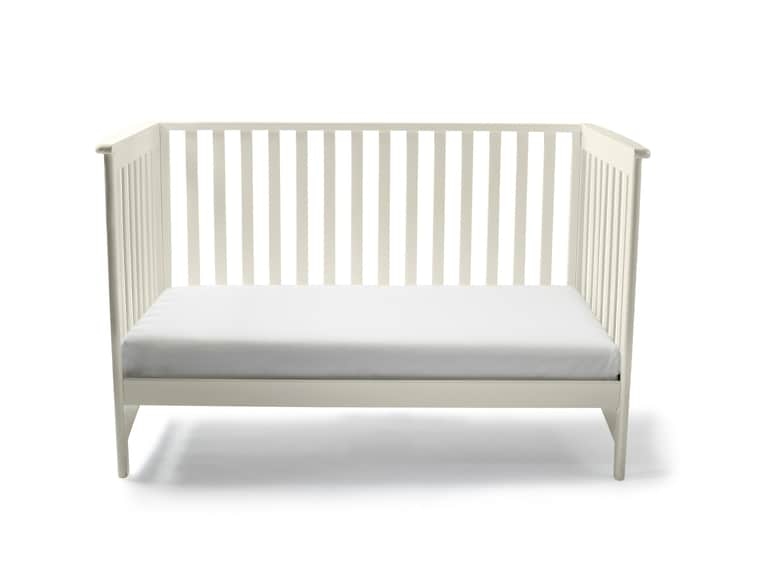
Sleep safely and easily on a lightweight, organic cotton crib mattress that’s waterproof, seamless, and non-toxic, with firm support for baby and a comfy toddler side—made in the USA for lasting cleanliness and peace of mind.
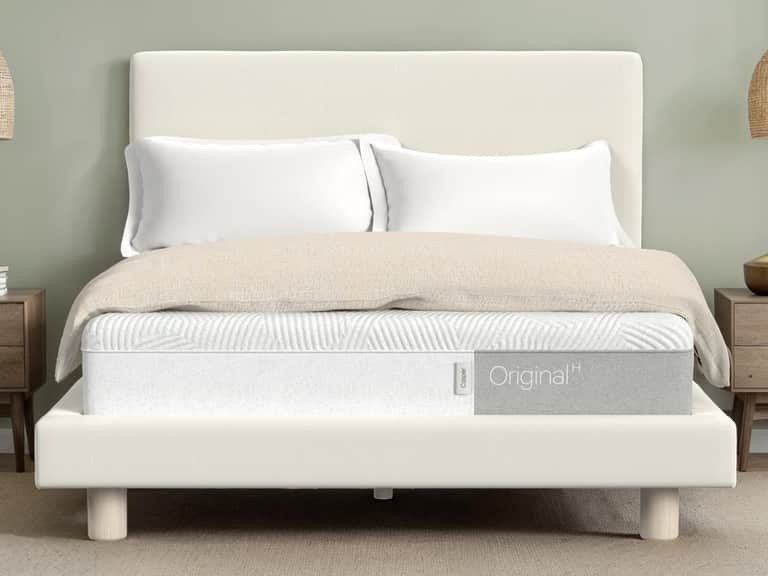
Sleep cooler and cradled all night with targeted support; three ergonomic zones align your spine while responsive foam and springs adapt to movement for lasting comfort.